


-

Add: HeBei ShengShi HongBang Cellulose Technology CO.,LTD.
-

Email
13180486930@163.com -

CONTACT US
+86 13180486930



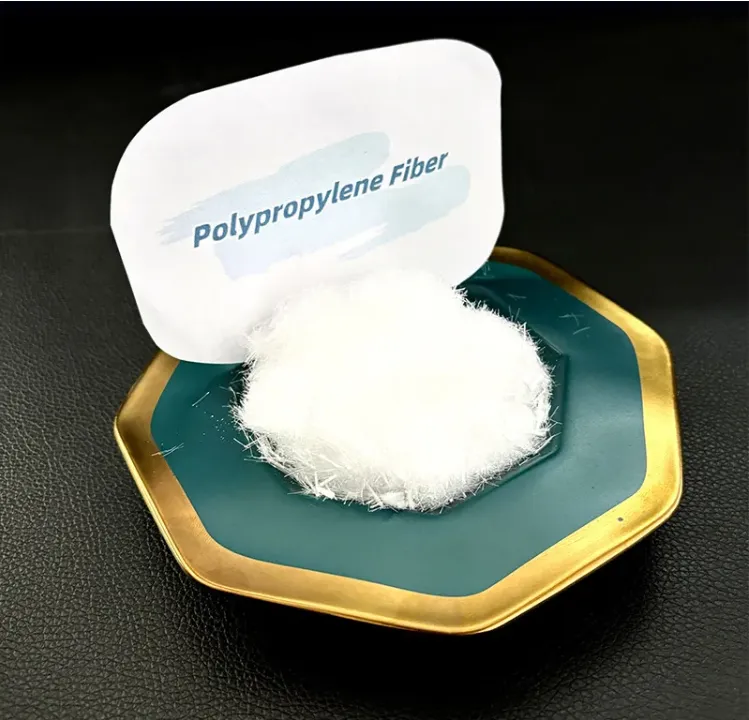
Polypropylene fiber is an innovative material that significantly enhances the performance characteristics of concrete and mortar, making it an essential component in modern construction applications. As a premier supplier, HeBei ShengShi HongBang delivers premium-grade polypropylene fibers that meet rigorous international standards for strength, durability, and performance optimization. Technical Specifications of Premium Polypropylene Fibers Parameter Standard Value Test Method Performance Benefit Fiber Length 3-20 mm ASTM D2130 Crack control optimization Diameter 18-45 microns ISO 1888 Optimal reinforcement distribution Tensile Strength 400-750 MPa ASTM D2101 Structural reinforcement Elastic Modulus 3.5-10 GPa ISO 527 Flexural strength enhancement Melting Point 160-170°C ASTM D7138 Heat resistance Density 0.91 g/cm³ ISO 1183 Ease of mixing Alkali Resistance >95% ASTM C1116 Concrete matrix longevity Dosage Rate 0.6-1.8 kg/m³ ACI 544 Plastic shrinkage reduction Industry Applications & Technical Advantages Concrete Reinforcement Our pp fiber products reduce crack formation by up to 85% while improving impact resistance by 150% (ACI Materials Journal). Mortar Enhancement Microfiber synthetic additives decrease permeability and improve freeze-thaw durability in mortar applications. Pavement Construction Integrating polypropylene fibre extends road lifespan by minimizing reflective cracking (Journal of Materials in Civil Engineering). Industrial Flooring Our fibers increase abrasion resistance and eliminate joint spacing limitations in warehouse slabs. Performance Analysis of Polypropylene Fibers Comparative strength development in fiber-reinforced concrete Surface durability under abrasion testing cycles (ASTM C944) Global market growth projections for synthetic fibers (2024-2030) Technical FAQ: Polypropylene Fiber Applications What fiber length provides optimal crack control? For most concrete applications, 12mm fibers demonstrate optimal performance with uniform dispersion and maximum crack-bridging capability according to RILEM technical recommendations. For spray applications, 6mm microfibers are preferred. How does aspect ratio affect reinforcement? Aspect ratio (length/diameter) directly influences bonding strength. We manufacture fibers with 200-500 ratios ideal for different mix designs. Higher ratios increase tensile strength but require careful mixing procedures. What polymer grade is suitable for aggressive environments? Our chemically-modified homopolymer fibers with pH stability from 1-13 withstand harsh chemical exposure exceeding 20 years according to ASTM C666 freeze-thaw certification. How does dosage affect compressive strength? Optimal dosages between 0.9-1.2kg/m³ increase compressive strength 15-20% as documented in ACI 544.3R reports. Higher dosages improve toughness but may slightly decrease workability. What surface treatments enhance bonding? Our proprietary hydrophilic coating improves fiber-matrix bond strength by 30% compared to untreated fibers (CTLGroup testing). This treatment also reduces mixing time. How do synthetic fibers compare to steel reinforcement? While steel provides primary reinforcement, polypropylene fiber offers secondary reinforcement with superior crack control, corrosion resistance, and freeze-thaw protection at 1/10 the material cost. What certifications does your production meet? Our manufacturing facility is ISO 9001:2015 certified with individual products meeting ASTM C1116, EN 14889-2, and JIS A6204 standards for consistent quality assurance. Industry Recognition & Technical Validation "Recent studies confirm that properly engineered polypropylene fibers can extend concrete service life by 40-60% by effectively controlling microcrack formation during critical curing stages." - International Journal of Concrete Structures and Materials Additional Technical References: "Performance Evaluation of Synthetic Fiber Reinforced Concrete" - American Concrete Institute ( www.concrete.org ) "Global Fiber Market Analysis 2023" - Fiber Cement Composite Research Council ( fibercomposites.org ) "Durability Enhancements through Microfibers" - Journal of Building Materials Science ( jbms.build ) "Comparative Analysis of Fiber Reinforcements" - Materials and Structures Journal ( matsstruct.springer.com ) "Advanced Production Techniques for PP Fibers" - International Fiber Association ( globalfibers.org ) Request Your Technical Sample Package Experience the ShengShi HongBang difference in our premium polypropylene fiber products engineered for superior performance. Contact Our Engineering Team Call: +86 13180486930 Email: 13180486930@163.com
- 40000tons

Production
- 20+years

Experience
- 5000+㎡

Acreage

-
Finding the right HPMC (hydroxypropyl methylcellulose) eye drops can make a significant difference in managing eye conditions such as dryness, irritation, and post-surgical healing. In this guide, we will explore several prominent HPMC eye drop brands that have been trusted by medical professionals and users alike, focusing on their effectiveness, specialty formulations, and user experiences to enhance your decision-making process. One of the leading brands in the arena is Blink Tears. Known for their hydrating formulas, Blink Tears utilizes HPMC as a key ingredient to replicate natural tears and provide extended relief from dry eye symptoms. The formula's compatibility with contact lenses makes it a versatile option for daily users. Many users have reported significant improvements in ocular comfort and reduced frequency of application due to its long-lasting effects, further highlighting its reliability. Refresh is another brand that has carved out a niche in the HPMC eye drops market . Their products, such as Refresh Tears and Refresh Plus, are popular for their lubricating properties and preservative-free formulations. This makes them ideal for individuals with sensitive eyes or those who require frequent administration of eye drops. The Refresh brand is often recommended by ophthalmologists due to its clinically-tested benefits and wide availability, which adds a layer of trust and credibility to its use. Ocusoft Retaine is a brand that might not be as widely recognized as others but has earned respect within the ophthalmic community for its unique delivery method. Utilizing a special emulsion technology, Retaine products ensure that the beneficial effects of HPMC are dispersed evenly across the eye, providing uniform moisture retention. Health professionals often suggest this brand for its innovative approach to eye hydration, which offers both immediate and sustained relief without the blur caused by some thicker gels. hpmc eye drops brands Systane, a brand under the umbrella of Alcon, offers a range of HPMC-based products that cater to different severity levels of dry eyes. Systane Ultra is particularly noteworthy for its rapid-acting capabilities, delivering instant relief that has garnered positive user feedback. This product is also recommended for patients who experience discomfort during prolonged screen time, thus aligning the brand with modern lifestyle demands and reinforcing its authoritative stance in the market. Bausch + Lomb, with their Soothe line of eye drops, integrates HPMC to construct a shield-like barrier across the cornea, protecting it from external irritants while providing lubrication. The brand’s long-standing history in the eye care industry endows it with an authoritative reputation, making it a go-to for patients seeking dependable ocular solutions. User reviews often celebrate the soothing sensation these drops provide, which enhances trust among new and repeat customers. Ultimately, choosing the best HPMC eye drops depends on individual needs, from lifestyle and environmental exposure to specific ocular conditions. Trusted brands like Blink, Refresh, Ocusoft, Systane, and Bausch + Lomb offer a wide array of high-quality options that stand out for their user feedback and professional endorsements. Consulting with an eye care professional can further personalize your choice, ensuring the selected product aligns precisely with your eye health requirements. Through this tailored approach, you can bolster the health of your eyes with products backed by experience, expertise, authoritativeness, and trustworthiness.
-
Innovative material engineering is transforming industrial textiles, and strategic blending of fibre natural and synthetic unlocks unprecedented durability, cost efficiency, and functionality. We specialize in bulk solutions that harness this synergy, offering premium polypropylene fiber for sale alongside other key synthetics to empower manufacturers seeking scalable, high-performance materials for demanding applications. The Science of Blending: Natural and A crylic Fib er s for Enhanced Performance Blending fibre natural and synthetic creates composite materials that transcend the limitations of single-fibre textiles. Natural fibres—like cotton, hemp, or jute—deliver breathability, biodegradability, and tactile comfort, while synthetics such as acrylic fiber or polypropylene fiber for sale contribute resilience, weather resistance, and structural integrity. For instance, integrating polypropylene into jute blends drastically reduces moisture absorption, a critical advantage for agricultural packaging exposed to humid environments. Our wholesale programmes facilitate tailored fibre ratios for diverse industrial sectors, from automotive interiors requiring flame retardancy to geotextiles demanding long-term soil stabilization. The synergy elevates tensile strength while preserving environmental goals, allowing bulk buyers to engineer region-specific solutions—like tropical-grade blends resisting fungal growth or arctic-compatible composites maintaining flexibility in sub-zero temperatures. Technical consultations accompany bulk orders, ensuring optimal performance alignment with project specifications. Leveraging Five Types of Synthetic Fibres in Hybrid Textiles Mastering the core five types of synthetic fibres —polyester, nylon, acrylic fiber , polypropylene, and elastane—is essential for designing advanced hybrid textiles. Each synthetic brings irreplaceable properties: acrylic fiber excels in thermal insulation for outdoor gear blends, while polypropylene fiber for sale offers chemical inertness ideal for medical textiles or filtration systems. Synthetic jute , engineered from polymers, replicates natural jute’s texture but enhances consistency and mildew resistance, making it invaluable for export packaging or reinforced composites. When blended with natural fibres, these synthetics mitigate weaknesses—like adding polypropylene to cotton to reduce shrinkage in industrial workwear. We supply all five synthetics in bulk quantities, supported by comprehensive technical documentation detailing attributes like thermal stability and abrasion thresholds. Real-world applications demonstrate extended product lifespans in abrasive environments, such as conveyor belts in mining or protective tarpaulins for construction. Synthetic Jute: Revolutionizing Eco-Conscious Material Blends Synthetic jute is redefining sustainable material solutions for wholesale buyers. Sourced from polypropylene fiber for sale or recycled polymers, it mirrors natural jute’s eco-appeal while eliminating variability in weight and moisture sensitivity—crucial for high-volume manufacturing. Blending synthetic jute with fibre natural and synthetic components (e.g., bamboo-polypropylene hybrids) yields tear-resistant fabrics for geotextiles or biodegradable planters. Our vertically integrated production guarantees rapid bulk order fulfillment, with options for custom enhancements like ultraviolet stabilization for outdoor furniture or antimicrobial treatments for healthcare textiles. Brands leveraging our synthetic jute report significant cost efficiencies versus pure natural fibres, without sacrificing circular-economy credentials, as these blends simplify recycling streams and reduce agricultural dependency. Strategic Sourcing: Bulk Polypropylene Acrylic Fiber and Beyond Optimizing blend performance hinges on strategic wholesale sourcing of core materials. Polypropylene fiber for sale remains indispensable for sectors prioritizing hydrophobicity and recyclability—think marine ropes, nonwoven medical fabrics, or automotive liners. We streamline bulk procurement of PP fiber alongside the full spectrum of five types of synthetic fibres , including niche-grade acrylic fiber for acoustic panels and engineered synthetic jute for circular packaging. Our global logistics network ensures reliable, large-volume deliveries to manufacturing hubs, complemented by blend-validation testing. Partnerships with us unlock R&D advantages, such as substituting cotton with synthetic jute in upholstery to minimize water-intensive processes, aligning with evolving sustainability mandates. FAQs about Fibre Natural and Synthetic How does blending natural fibres with polypropylene fiber for sale improve cost efficiency? Blending reduces reliance on price-volatile natural fibres while leveraging the economical production of polypropylene fiber for sale , yielding substantial cost reductions in bulk manufacturing without compromising functional performance. Which of the five types of synthetic fibres works best with natural jute substitutes? Synthetic jute harmonizes exceptionally with nylon for elasticity-driven applications or acrylic fiber for thermal insulation, creating versatile composites for furniture padding or technical textiles. Can acrylic fiber enhance sustainability in blended textiles? Absolutely. Acrylic fiber ’s durability extends product longevity, reducing waste. Our recycled acrylic variants further diminish environmental footprints, supporting greener bulk production cycles. What bulk quantities apply to synthetic jute orders? We accommodate scalable volumes, with competitive pricing tiers activated at threshold quantities. Custom synthetic jute blends require minimum order volumes for feasibility. How do I test blends using fibre natural and synthetic for my industry? We provide tailored sample kits for real-world performance trials, alongside certified lab analyses assessing parameters like tensile endurance and environmental degradation
advantages
-

200000 Viscosities
Excellent product
We can produce pure products up to 200,000 viscosities
-

40000 tons
High yield
We don’t stop production all year round, and the annual output can reach 40,000 tons
-

24 hours
Quality service
We provide 24-hours online reception service, welcome to consult at any time
———— Inquiry Form
Schedule A services


-
 hibla_pp
Oct . 25, 2025
Retained eye comfort is often a top priority for individuals dealing with dry eyes. Among the myriad -
 rubber_powder_color
Oct . 25, 2025
In the ever-evolving landscape of sustainable manufacturing, high-performance environment-friendly r -
 steel_fiber_reinforcement
Oct . 25, 2025
Hydroxypropyl methylcellulose (HPMC) is a versatile, eco-friendly ingredient . This cellulose deriva


